June 12, 2026
Taking pride in a beautiful yard is a common goal for homeowners. The appeal of a weekend project draws people to care for their property. They imagine rolling up their sleeves and enjoying the sunshine while perfecting the grass. The prospect of saving money drives this ambition. People believe skipping professional services keeps cash in their pockets. However, the reality of property upkeep involves hidden factors. Doing the work yourself backfires. The dream of a perfect yard becomes a source of stress and unexpected expenses. Homeowners plunge into these tasks without adequate preparation.
What begins as a weekend hobby evolves into an overwhelming chore. Amateurs lack the deep knowledge required to manage soil health and pest control. They make mistakes that damage the grass, requiring expensive repairs. This article explores the hidden financial burdens associated with handling your own lawn maintenance.
The Price of Inadequate Equipment
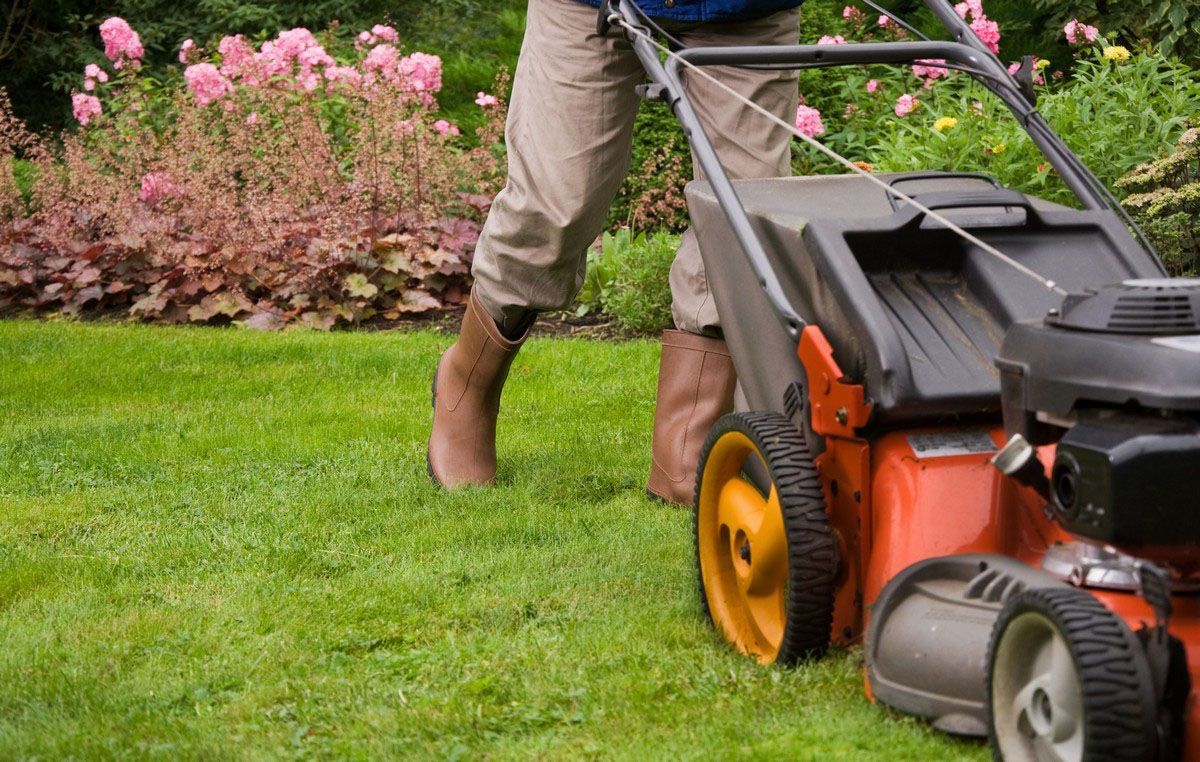
Professional landscapers utilize commercial-grade machinery designed for efficiency and durability. Homeowners purchase consumer-grade mowers and trimmers. These retail machines break down under heavy use. Replacing broken parts or buying new units adds up. The initial perceived savings vanish when equipment fails. Cheap mowers produce uneven cuts that invite disease. Subpar tools make the job harder. Replacing these flimsy tools drains the wallet.
Maintaining this consumer-grade equipment introduces a new layer of expense. Blades require regular sharpening to ensure a clean cut. Dull blades tear the grass, leaving jagged edges susceptible to fungus. Oil changes, spark plug replacements, and fresh gas add to the running total. Homeowners forget to factor these ongoing purchases into their budget. They see the price tag and assume spending stops.
Beyond the mower, proper yard care demands a shed full of specialized tools. Aerators, dethatchers, and spreaders represent significant investments. Amateurs either buy these expensive items or rent them from hardware stores. Rental fees accumulate over time. Buying cheap versions leads to the breakdown cycle mentioned earlier. Storing all this bulky equipment occupies valuable garage space. The sheer volume of needed gear overwhelms the average storage capacity.
Safety gear is an overlooked expense in the DIY equation. Protective eyewear, sturdy boots, and noise-canceling headphones are essential for preventing injuries. Medical bills from yard accidents outweigh the cost of professional services. A rock thrown from a mower blade causes severe damage. Operating heavy machinery requires caution and proper attire. Homeowners skip buying good safety gear. Ignoring safety precautions puts health and finances at serious risk.
The Expense of Improper Techniques
Amateurs misunderstand the complex biology of grass. They apply chemicals without reading the labels or understanding the soil chemistry. Over-fertilizing burns the grass roots, leaving large dead patches across the yard. Fixing these bare spots requires buying new topsoil and seed. The homeowner ends up paying again to fix their mistakes. Guesswork leads to a major turf disaster. Repairing dead grass takes massive effort and extra funding.
Watering mistakes represent a common pitfall for the DIY enthusiast. Shallow watering encourages weak root systems that die during dry spells. Overwatering promotes fungal growth and drowns the roots. Fungal diseases require expensive fungicides to eradicate. Knowing the exact moisture requirements for specific grass species is crucial. Homeowners waste massive amounts of municipal water through inefficient irrigation habits. High water bills reflect poor watering practices.
Weed control presents a massive challenge for untrained individuals. They grab generic weed killers off the shelf and spray them. These broad-spectrum herbicides kill the weeds but also destroy the surrounding grass. Selective herbicides are expensive and require precise application rates. The cost of chemical mismanagement spirals out of control. Proper lawn maintenance requires distinct scientific knowledge. Mixing chemicals without education causes irreversible yard damage.
Achieving the right balance of nutrients is tricky. According to Forbes, your lawn should be fertilized every six to eight weeks during the prime growing season. Homeowners fail to adhere to this schedule. They apply fertilizer at random or dump enormous quantities at the wrong time. This erratic feeding cycle weakens the turf, making it susceptible to insect infestations and extreme weather. Buying grub control products adds extra expense.
The Cost of Wasted Resources
Time is a valuable resource a person possesses. Yard work consumes vast amounts of free time. Instead of relaxing with family, homeowners spend their weekends pushing mowers. They spend their evenings pulling weeds and fixing sprinklers. The hours spent on these chores equate to lost wages or lost leisure. Assigning a dollar value to this lost time reveals reality. Free time should be spent enjoying life.
Material waste occurs when amateurs guess at product applications. Buying the wrong type of seed for the shade conditions results in failed germination. The money spent on that seed goes down the drain. Purchasing excess mulch or soil leads to unused piles sitting in the driveway. Professional crews calculate the exact material needs to minimize waste. This inefficiency burns budgets. Extra materials clutter the property and rot.
Fuel and energy consumption also contribute to the hidden tally. Driving to the hardware store burns expensive gasoline. Running small engines pollutes the air and consumes fuel. Electric mowers consume electricity, adding to the monthly utility bill. These micro-transactions seem small. Over a full season, they amount to a substantial sum. Professionals optimize travel and fuel efficiency. Grouping neighborhood properties reduces fuel waste.
Environmental damage represents a cost that extends beyond the individual property line. Misapplied fertilizer washes into storm drains, polluting local waterways. Algae blooms caused by this runoff destroy aquatic ecosystems. Cleaning up municipal water sources costs taxpayers money. Effective lawn maintenance demands environmental stewardship. Professionals use calibrated equipment to prevent chemical runoff. Amateurs contribute to regional pollution problems. Protecting the environment requires precision.
The Burden of Lost Opportunities
Committing to DIY yard work limits flexibility and spontaneity. Vacations require extensive planning to ensure the grass survives the absence. Hiring a neighborhood kid to water the plants leads to poor results. Homeowners return from trips to find dead flowers and overgrown grass. The stress of managing the property from afar ruins the vacation experience. It forces skipped trips. Staying home to mow the grass limits family memories.
Curb appeal influences overall property value. A poorly kept exterior lowers the perceived value of the house. Potential buyers judge the interior based on the exterior appearance. Dead patches and overgrown shrubs drive away offers. Real estate agents advise clients to invest in professional landscaping before selling. A history of subpar lawn maintenance leaves lasting scars on the soil. Buyers avoid houses with damaged exteriors.
Physical toll represents a different form of lost opportunity. The manual labor involved causes backaches, joint pain, and sunburns. Recovering from yard work takes energy away from other pursuits. People skip gym sessions or social events because they feel exhausted from mowing. Chronic injuries from repetitive motion cause expensive physical therapy bills. The physical suffering detracts from the joy of homeownership. Health should remain a priority.
The burden of an ugly yard causes stress. Homeowners look out the window and see a massive chore list. They compare their yellowing grass to the pristine neighborhood standard. This comparison breeds frustration and feelings of inadequacy. The mental weight of ongoing chores drains emotional energy. Peace of mind is a valuable commodity. Outsourcing work restores domestic tranquility. A neat yard should bring joy.
The illusion of saving cash by avoiding professionals shatters upon close inspection. Equipment failures, material waste, and time commitments create a massive financial drain. Homeowners underestimate the scientific complexity of soil health and pest management. They end up paying to fix their own errors. The physical and emotional exhaustion further diminishes perceived benefits. Proper lawn maintenance requires expertise and immense dedication. Protecting the property requires expert intervention.
Reevaluating the true cost of DIY property care is essential. Adding up the receipts for broken tools, wasted fertilizer, and lost time reveals a shocking total. Professional crews offer efficiency, guaranteed results, and ultimate peace of mind. Investing in expert help preserves property value and frees up weekends for enjoyment. The smartest financial decision involves putting down the tools today. The grass stays green with professional help. Reclaim your weekends and protect your property value by leaving your lawn maintenance to the experts at Shorehaven Landscape. Contact us today for a customized quote and start enjoying a pristine, hassle-free yard!