November 10, 2026
A sprinkler system works quietly in the background, keeping your lawn and gardens green without much thought on your part. Because most of the system sits underground, though, small problems can go unnoticed for months. A cracked pipe, a clogged nozzle, or an outdated timer setting can waste water, drive up your bill, and leave parts of your yard dry while others turn soggy. Below, we'll walk through what's being checked during a sprinkler system inspection and why routine checkups from an experienced irrigation contractor can make such a difference.
Testing the Controller and Watering Schedule
The controller is the brain of your irrigation system, so it's usually the first stop during an inspection. A technician checks that the timer is working properly, the date and time are correct, and each zone is set to run at the right time and for the right length. Watering schedules often need adjusting as seasons change, plants mature, or new landscaping is added. Outdated settings can lead to a lot of wasted water. According to the U.S. EPA's Sprinkler Spruce-Up page, homes with clock timer-controlled irrigation systems use about 50% more water outdoors than homes without irrigation systems. Fine-tuning your schedule is one of the easiest ways to bring that number down. Many homeowners are surprised to learn their system has been running on the same settings for years.
Running Each Zone
Once the controller checks out, each zone is turned on one at a time. This lets the technician confirm that every zone activates when it should and shuts off completely when it's done. A zone that won't turn on may point to a faulty valve, a wiring issue, or a problem with the controller. A zone that won't turn off can flood your lawn and waste a large amount of water in a short time. Running every zone gives a clear picture of how the whole system is performing and helps pinpoint where problems are starting. It also gives the technician a chance to spot zones that are running longer than needed for the plants they serve.
Inspecting Sprinkler Heads
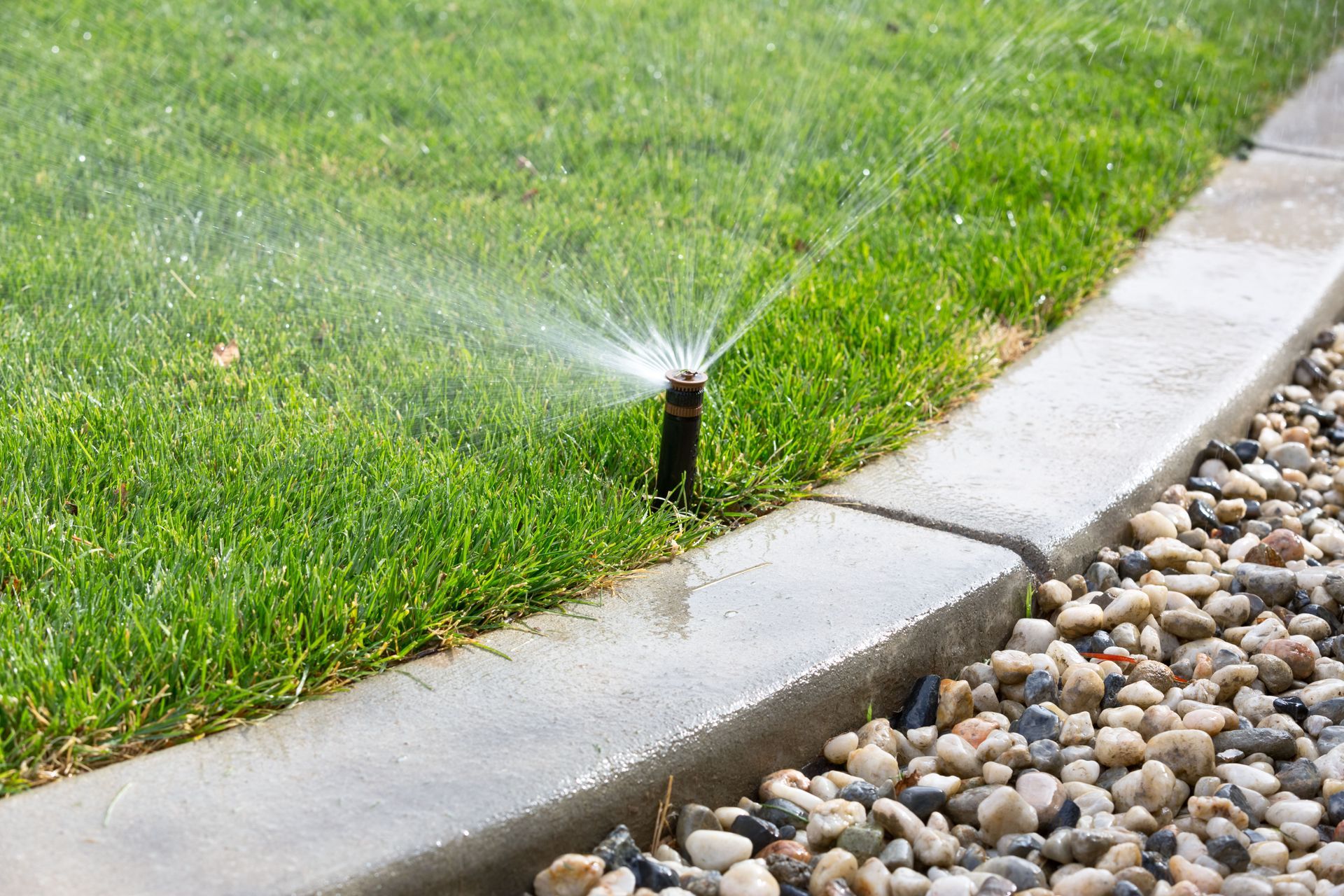
Sprinkler heads take a lot of abuse over time. Lawn mowers, foot traffic, vehicles, and frost heave can all knock them out of alignment or break them entirely. During an inspection, each head is checked for cracks, clogs, leaks, and proper pop-up height. Heads that are tilted, sunken, or blocked by grass and soil can't distribute water evenly. Replacing or adjusting damaged heads helps every part of your lawn get the water it needs without overspraying sidewalks, driveways, or your home's foundation. Upgrading to more efficient nozzles during this step can also help reduce runoff and improve how evenly water soaks into the soil.
Checking Coverage and Spray Patterns
Even when every head is working, coverage can still be uneven. An inspection looks at spray patterns to confirm water reaches the intended areas and overlaps properly between heads. Dry patches, puddles, and water hitting pavement are all signs that adjustments are needed. A skilled irrigation contractor can redirect nozzles, change spray arcs, or swap out heads to match the needs of each area. Better coverage means healthier plants and less wasted water, which is good for both your yard and your wallet. Shady spots, slopes, and garden beds often need different amounts of water than open lawn areas, so coverage is checked zone by zone.
Measuring Water Pressure
Water pressure has a big effect on how well your sprinklers perform. Pressure that's too high can cause misting, where fine droplets blow away or evaporate before reaching the ground. Pressure that's too low can leave heads that barely pop up or spray only a short distance. Checking pressure throughout the system helps identify whether the problem is coming from the water supply, a partially closed valve, or a leak somewhere in the line. Correcting pressure issues improves efficiency and helps protect system components from extra wear. In some cases, pressure-regulating heads or valves can help keep output steady across the entire system.
Looking for Leaks and Damaged Lines
Underground leaks are some of the hardest problems to spot without a professional inspection. Signs can include soggy areas that never dry out, sinking soil, unusually green patches, or a sudden jump in your water bill. Technicians watch for these clues while the system runs and check for pooling water around valves and heads. Roots, freezing temperatures, and accidental digging can all crack pipes over time. Finding and repairing leaks early helps prevent water waste, soil erosion, and damage to your lawn and hardscapes. Catching a leak early can also prevent damage to patios, walkways, and other features near your irrigation lines.
Inspecting Valves and Backflow Devices
Valves control the flow of water to each zone, and they need to open and close cleanly to keep the system running smoothly. A sticking or leaking valve can cause zones to run unevenly or not shut off at all. Many systems also have a backflow prevention device, which helps keep irrigation water from flowing back into your home's drinking water supply. These devices should be checked to confirm they're in good working order, and some local water providers may require periodic testing. An inspection helps catch valve and backflow problems before they turn into bigger issues. Keeping these components in good shape protects both the plants you've invested in and your household water supply.
Reviewing Sensors and Efficiency Upgrades
Many irrigation systems can benefit from features that help them water more efficiently. Rain sensors can stop a cycle when it's already raining, while weather-based controllers adjust schedules based on local conditions. During an inspection, existing sensors are tested to confirm they're working correctly. If your system is older, your irrigation contractor may recommend retrofits that improve performance and reduce water use. Even small upgrades can lead to meaningful savings over the course of a season. Upgrades can also make your system easier to manage, with fewer manual adjustments needed throughout the year.
Planning Repairs and Seasonal Maintenance
After the inspection, you should receive a clear summary of what was found and what needs attention. Some issues, like a clogged nozzle or misaligned head, can often be fixed on the spot. Others, like a broken line or a faulty valve, may require a follow-up visit. Along the Connecticut Shoreline, freezing winters make seasonal care especially important, so spring and fall visits can help keep your system ready for the year ahead and protect it from freeze damage. Working with an irrigation contractor on a regular maintenance plan helps your system last longer and perform better.
At Shorehaven Landscape, we're a family-owned business that has served the Connecticut Shoreline for more than three decades. Our team provides irrigation design, installation, maintenance, and retrofits for homes throughout North Branford, Branford, Clinton, Madison, Guilford, Northford, New Haven, and East Haven. As a fully licensed and insured irrigation contractor, we focus on transparent pricing and customer satisfaction. We also offer landscape design, hardscaping, lawn maintenance, and outdoor lighting, so your entire yard can look its best. Whether you need a routine checkup or a system upgrade, our
irrigation contractor team is ready to help. Contact Shorehaven Landscape today to schedule your free consultation.