August 28, 2026
Adding a patio can change the way homeowners use their outdoor space, creating a defined area for dining, entertaining, relaxing, and spending time with family. While choosing attractive materials is part of the process, a successful project also involves planning the layout, preparing the site, coordinating construction, and considering how the finished patio fits the surrounding property. Working with a local patio contractor gives homeowners professional guidance throughout these decisions and helps turn an initial idea into a practical outdoor living space.
A professionally built patio can also represent a meaningful home improvement. According to Forbes, a National Association of Realtors survey found that a new patio can provide an ROI of 95%. The potential value makes careful planning particularly important. Homeowners should understand what happens from the first consultation through project completion so they can approach the experience with realistic expectations.
Discussing Your Goals During the Initial Consultation
Explaining How You Use the Space
The first conversation generally focuses on what homeowners want from their new outdoor area. Some families envision a dining space, while others prioritize entertaining, seating, or a quiet place to relax. Explaining these goals gives the contractor useful context for developing a design suited to everyday use.
Reviewing the Existing Property
The existing landscape affects what may work well. A patio contractor can evaluate available space, surrounding structures, access points, grading, and other property characteristics that could influence the project. This site-specific perspective helps move the discussion from general inspiration toward realistic possibilities.
Establishing Project Priorities
Homeowners may have several ideas but need help determining which features matter most. Size, appearance, seating capacity, accessibility, landscaping, and budget can all influence priorities. Establishing those priorities early gives the project a clearer direction.
Discussing the Desired Appearance
The consultation is also an opportunity to talk about style. Homeowners can describe colors, textures, shapes, and architectural details they prefer. The goal is to develop an outdoor area that feels connected to the home rather than looking like an unrelated addition.
Developing a Patio Design for the Property
Determining the Appropriate Size
A patio should provide enough room for its intended activities without overwhelming the yard. Furniture placement, walking space, doors, landscaping, and other features can influence appropriate dimensions. Professional planning helps establish proportions that make sense for both the property and household.
Considering the Patio Shape
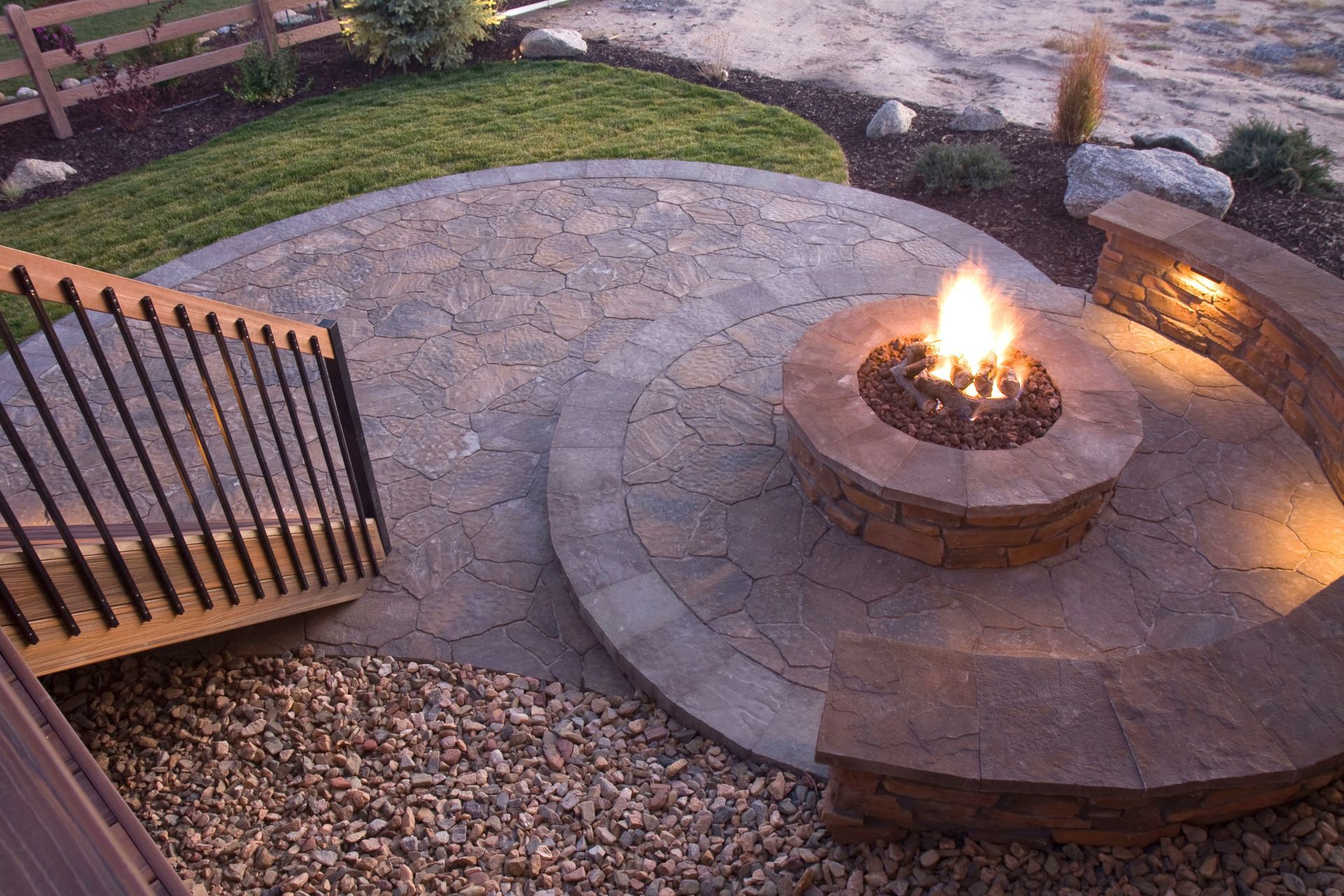
Patios can feature straightforward geometric layouts or more organic shapes depending on the home and landscape. The shape affects both appearance and function. A thoughtful layout can complement existing architecture while making efficient use of available outdoor space.
Planning for Natural Movement
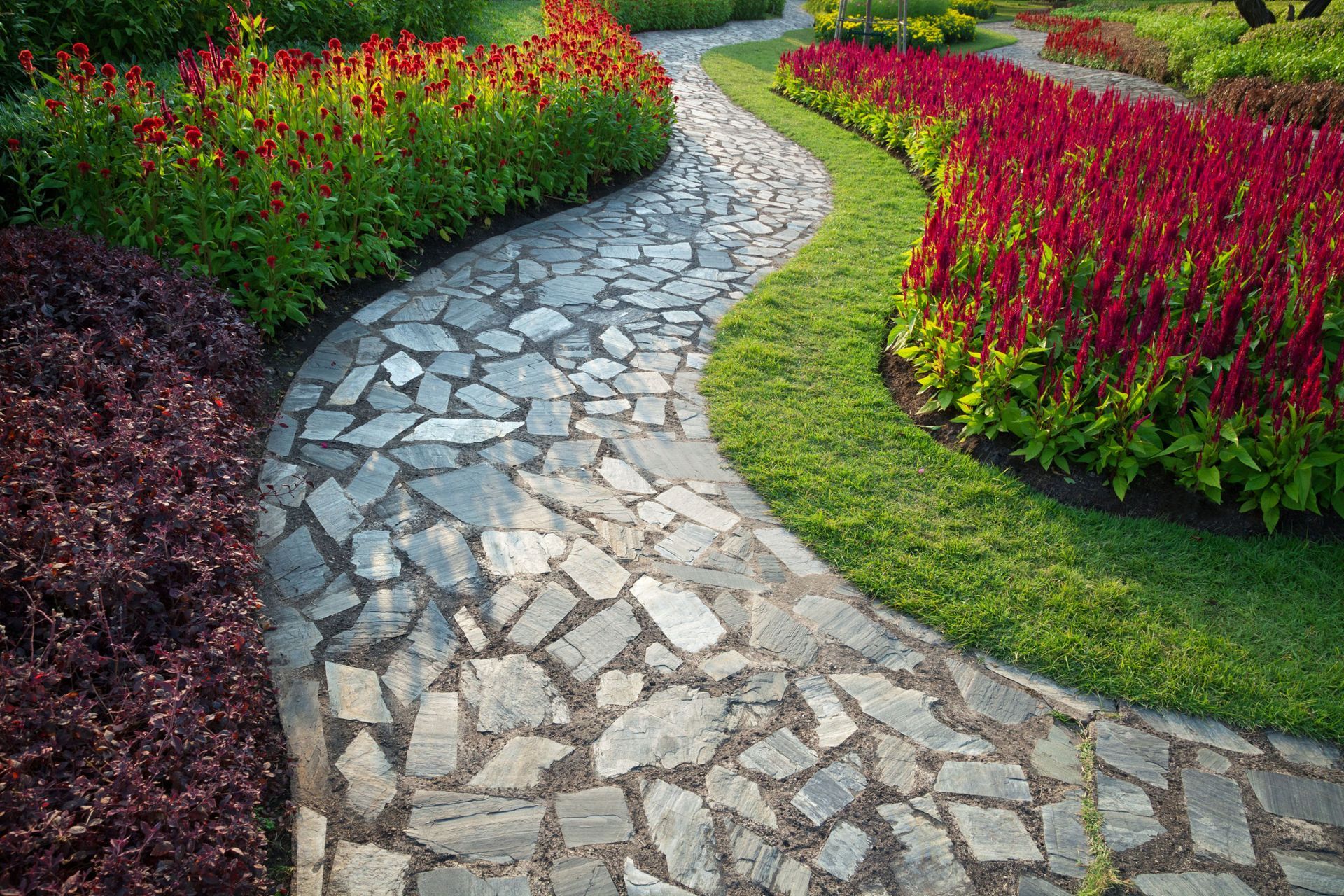
People need to move comfortably between the house, patio, yard, and other outdoor areas. An experienced patio contractor considers these traffic patterns while developing the layout. Thoughtful positioning can make the finished area feel like a natural extension of the home rather than an obstacle within the landscape.
Coordinating With Existing Features
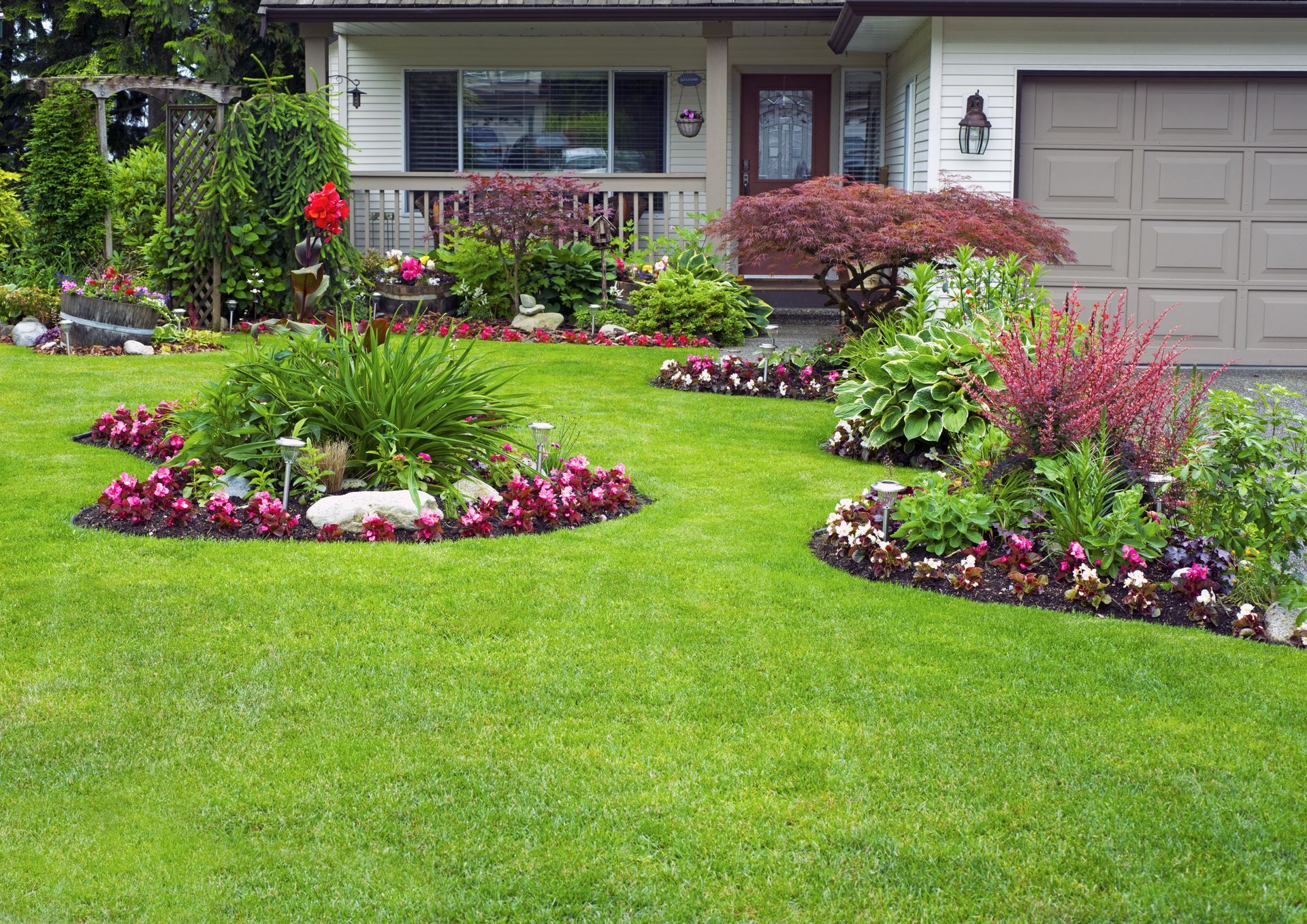
Decks, walkways, gardens, retaining walls, pools, and other landscape features may influence the patio design. Considering these elements together helps create visual continuity and ensures the new space fits comfortably into the property's existing arrangement.
Selecting Materials for the Finished Patio
Comparing Available Materials
Material selection plays a major role in how a patio looks and performs. Available choices may vary in color, texture, shape, pattern, and overall character. Professional guidance can help homeowners compare options that complement their preferred design and intended use of the space.
Considering the Home's Architecture
A patio is highly visible from both the yard and, in many cases, inside the house. Materials that coordinate with the home's exterior can help create a more unified appearance. Existing siding, masonry, trim, and architectural style may all influence which selections feel appropriate.
Balancing Appearance and Practicality
Aesthetic preferences are important, but outdoor materials must also suit their environment and intended application. A patio contractor can explain relevant characteristics of available products so homeowners can evaluate both appearance and practical considerations before making a final selection.
Finalizing the Visual Details
Once the main material is selected, additional design details can bring the plan together. Borders, patterns, transitions, and connections to nearby hardscaping can influence the finished appearance. Resolving these choices before construction creates a clearer vision for the completed project.
Preparing the Property for Patio Construction
Confirming the Project Area
Before construction begins, the planned location and dimensions need to be clearly established. This provides an opportunity to confirm that the layout reflects previous discussions and that homeowners understand how much of the yard the patio will occupy.
Accounting for Site Conditions
Every property presents different conditions. Existing terrain, soil, drainage, landscaping, and access can affect how construction proceeds. Professional evaluation allows these factors to be considered as part of the project rather than discovering avoidable complications after work is underway.
Preparing the Patio Foundation
Much of the work that supports a finished patio eventually becomes invisible. Proper site preparation and base construction are important to long-term performance. A professional patio contractor handles these construction requirements so the visible surface is supported by an appropriately prepared foundation.
Managing the Work Area
Construction temporarily changes how part of the property can be used. Homeowners can expect activity involving materials, equipment, and workers during the project. Clear communication about access and the work area can make this temporary disruption easier to understand and manage.
Following the Project Through Construction
Understanding the Project Schedule
Homeowners naturally want to know when their patio will be ready. Project length can vary based on size, complexity, materials, site conditions, and weather. A professional can provide expectations while explaining circumstances that may influence the construction timeline.
Maintaining Clear Communication
Good communication remains valuable after construction begins. Questions may arise as the project progresses, and homeowners should know who to contact when clarification is needed. An established communication process helps keep everyone aligned with the agreed-upon plan.
Watching the Design Take Shape
Construction is when drawings, material selections, and earlier discussions begin becoming a physical outdoor space. A patio contractor coordinates the professional work needed to create the planned layout while accounting for actual site conditions encountered during construction.
Handling Necessary Adjustments
Occasionally, conditions discovered during a project require discussion or adjustment. When this happens, homeowners should expect clear communication about the concern and how it may affect the original plan. Addressing changes thoughtfully helps preserve the project's overall goals.
Completing the Patio and Planning for Long-Term Use
Reviewing the Finished Project
Once construction is complete, homeowners can evaluate how the finished space reflects the planned dimensions, materials, and design. This final stage provides an opportunity to understand the completed work and ask remaining questions about the new outdoor area.
Understanding Material Care
Outdoor surfaces remain exposed to sunlight, rain, temperature changes, foot traffic, and other environmental conditions. A patio contractor can provide information about the care appropriate for the materials incorporated into the finished project.
Furnishing the New Space
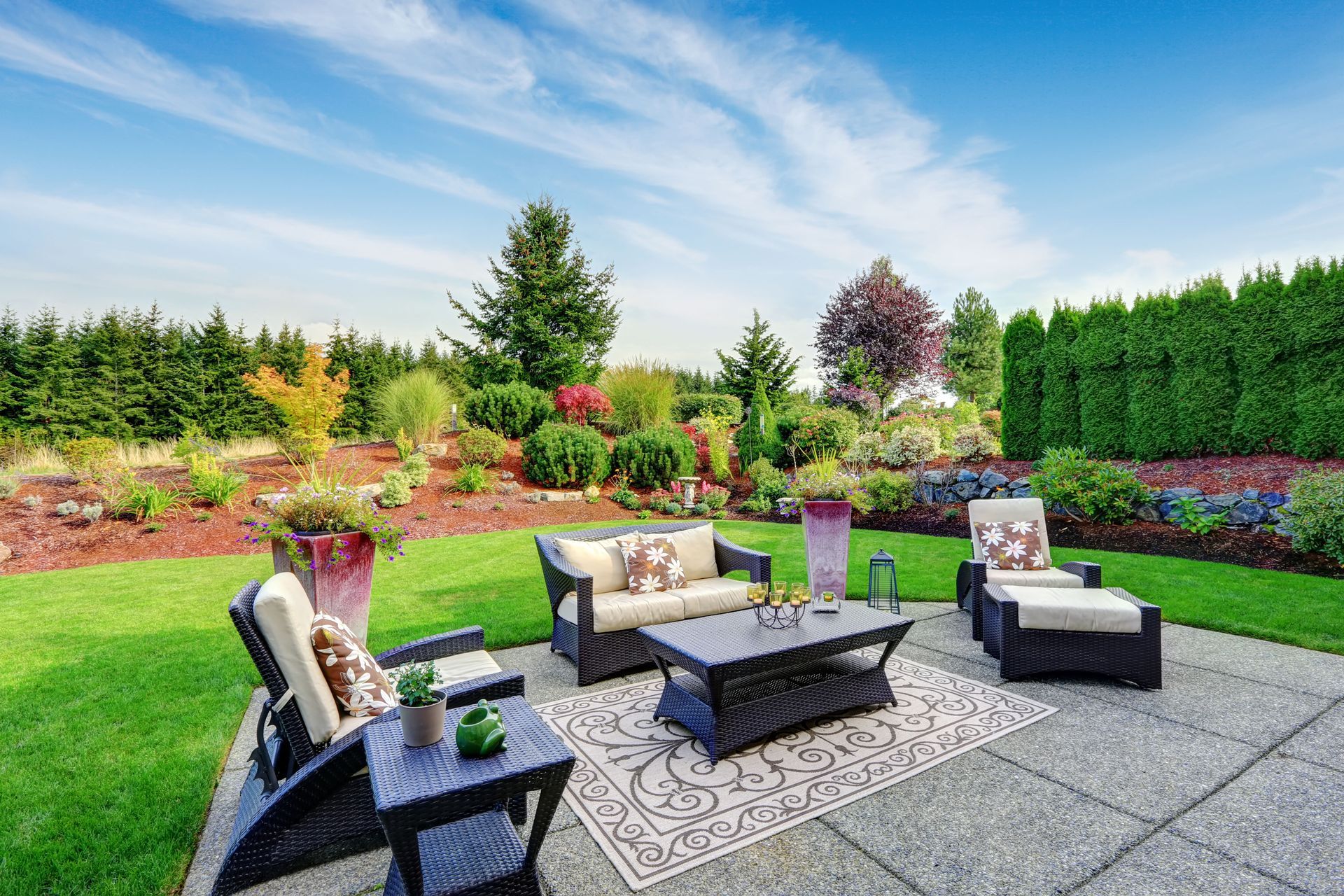
Once the construction work is finished, homeowners can begin making the patio part of daily life. Furniture, dining arrangements, planters, and other outdoor features can be selected according to the space available and the activities originally envisioned during planning.
Enjoying a More Functional Yard
A thoughtfully planned patio gives outdoor activities a dedicated setting. Instead of placing furniture or gathering areas wherever space happens to be available, homeowners gain an intentional destination that can support meals, conversations, celebrations, and everyday relaxation.
Working with a professional on a patio project involves much more than choosing a surface material. The process typically moves from discussing goals and evaluating the property to developing a layout, selecting materials, preparing the site, completing construction, and reviewing the finished space.
Local knowledge can also be valuable because every property presents its own combination of architecture, landscaping, terrain, access, and outdoor living needs. An experienced patio contractor can consider these factors together instead of approaching the patio as an isolated feature. The result can be an outdoor area designed to complement both the home and the way the household intends to use its yard.
If you're considering a new patio and want professional guidance from initial planning through construction, contact Shorehaven Landscape today. Our team can help you explore design possibilities, materials, and practical options for your property while providing the professional experience you expect from a local patio contractor.